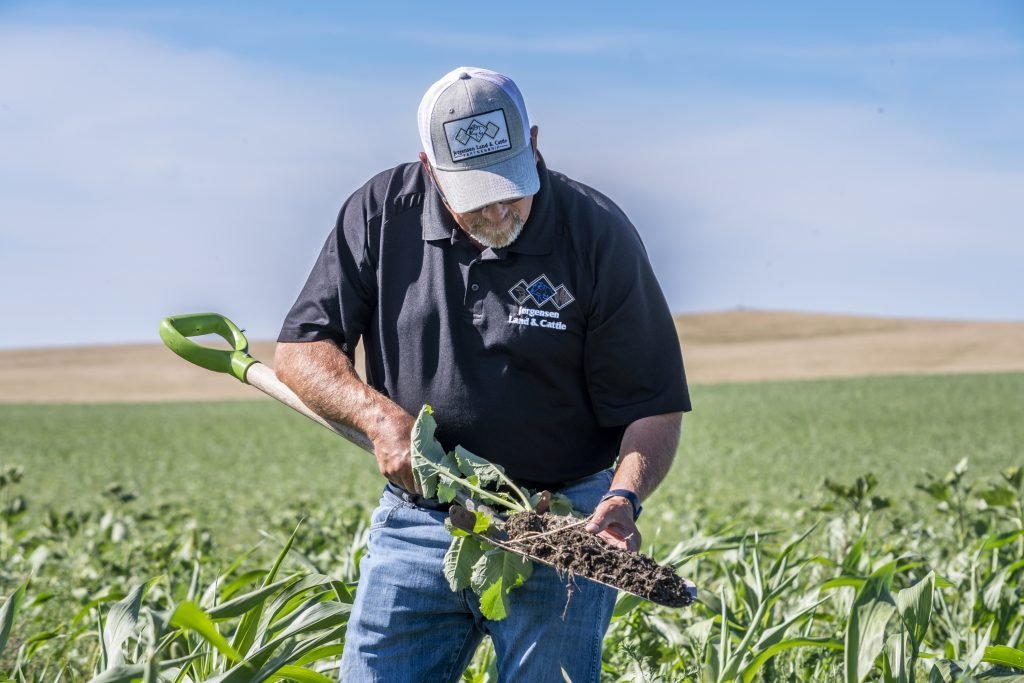
In an era defined by environmental uncertainty, the concept of Stewarding the Land: Generational Environmental Practices isn't merely a nostalgic ideal; it's a vital, actionable framework for our collective future. It calls upon us to look beyond immediate gains and embrace a long-term vision, drawing profound wisdom from cultures that have lived in harmony with nature for millennia. This isn't about looking backward, but rather about bringing timeless principles forward to address today's most pressing ecological challenges.
At a Glance: Key Takeaways for Generational Land Stewardship
- Shift Your Mindset: Move from viewing land as a possession to a sacred relative, fostering a relationship of reciprocity and respect.
- Learn from Ancient Systems: Adopt time-tested sustainable land management techniques like polyculture, controlled burns, and seed saving.
- Protect Water as Life: Recognize water as a fundamental life source, committing to its protection through conscious consumption and advocacy.
- Connect Culture & Ecology: Understand that preserving sacred sites inherently supports biodiversity and cultural heritage.
- Embrace Humility: Reframe humanity's role from master to steward, fostering gratitude and restraint in all interactions with the natural world.
- Act Locally, Think Generationally: Apply these principles in your daily life, community, and advocacy efforts, always considering the impact on future generations.
Beyond Ownership: Reclaiming Our Relationship with the Land
For too long, dominant paradigms have framed land as a commodity, an inert resource to be owned, exploited, and controlled. This perspective is a stark contrast to the deep, spiritual connection many Indigenous cultures hold with the Earth. Across North America, for thousands of years, Native communities have viewed the land not as a possession, but as a living relative – intelligent, sacred, and worthy of profound respect. This fundamental difference in worldview is perhaps the most crucial lesson in generational environmental stewardship.
Consider the profound foresight of the Haudenosaunee (Iroquois) philosophy, which mandates thinking seven generations ahead when making any decision. This isn't just a suggestion; it's a moral imperative, an intergenerational contract that binds current actions to the well-being of descendants not yet born. It asks us to pause and ask: How will this action affect the Earth and our children's children? This principle naturally fosters restraint and a deep sense of responsibility. Similarly, the Lakota term Mitákuye Oyás’iŋ, meaning "all are related," encapsulates the interconnectedness of humans, animals, plants, water, and sky. It's a recognition that we are not separate from nature, but an integral part of its intricate web. This teaching encourages living with nature, rather than attempting to conquer or control it.
Applying this today means cultivating a mindset of reciprocity. For every resource we draw, for every gift the Earth provides, we consider what we can give back. This isn't about transactional exchange but a continuous cycle of mutual respect and care. Perhaps it means planting a native tree, restoring a local habitat, or simply consuming more mindfully, choosing products that respect ecological limits. The core principle remains constant: live with care, not conquest. This shift from ownership to relationship fundamentally alters our approach to environmental challenges, grounding our actions in a deeper reverence for the living world.
Ancient Wisdom, Modern Solutions: Sustainable Land Management
Long before the advent of industrial agriculture and modern conservation theories, Native tribes developed complex, sophisticated systems of land stewardship that sustained thriving ecosystems for millennia. These time-tested practices offer powerful models for today's environmental challenges, proving that human ingenuity can indeed work with nature, rather than against it.
Take, for example, the practice of controlled burns. The Karuk and Yurok people of California, among many others, historically used low-intensity fires to manage forests. These "cultural burns" were not destructive; they meticulously cleared underbrush, reduced fuel loads, promoted the growth of culturally significant plants, and enhanced forest health. This ancient method not only supported incredible biodiversity but also prevented the catastrophic, high-intensity wildfires we now frequently witness in unmanaged lands. Today, as wildfires rage with increasing intensity, fire ecologists are increasingly advocating for the reintroduction of Indigenous fire practices as a critical tool for forest resilience. Supporting initiatives that partner with Indigenous fire practitioners to revitalize these methods is a concrete step towards more effective land management.
Beyond fire, Native land managers innovated diverse agricultural techniques. The "Three Sisters" planting method—corn, beans, and squash grown together—is a brilliant example of polyculture. Corn provides a stalk for beans to climb, beans fix nitrogen in the soil, and squash spreads on the ground, shading out weeds and retaining moisture. This synergistic relationship enriches the soil, maximizes yield, and minimizes pests without the need for synthetic fertilizers. This echoes the principles of what we now call regenerative agriculture, which focuses on soil health, biodiversity, and ecosystem resilience. You can learn more about how these holistic approaches are being applied in contemporary settings, even on properties like Our 7th generation farm, demonstrating a commitment to long-term sustainability.
Other practices included rotational harvesting, ensuring resources were never depleted, and meticulous seed saving, which preserved genetic diversity and allowed for adaptation to changing conditions. These methods weren't about maximizing short-term profit but about securing long-term abundance for the community and the land itself. We can apply these lessons by supporting local farmers practicing regenerative agriculture, participating in community gardens, and donating to or volunteering with Indigenous-led land trusts. These organizations work to restore Indigenous land sovereignty and traditional stewardship, bringing vital ancient wisdom to modern land management.
Water Is Life: Protecting Our Most Precious Resource
Water, the universal giver of life, holds a sacred status in countless Indigenous traditions. It is not merely a resource but a living entity, an essential relation to be honored and protected. The deep reverence for water is powerfully encapsulated in the Standing Rock Sioux Tribe’s slogan, “Mni Wiconi” — Water is Life. This simple yet profound statement echoes a core value across Native belief systems: protect the water as you would your own body, for without it, there is no life.
This understanding translates into concrete action. Indigenous water protectors are often at the forefront of movements to halt pipelines, mining operations, and other forms of pollution that threaten vital watersheds and aquifers. Their resistance is not just political; it is a spiritual defense of a sacred being and the life it sustains. These actions highlight the deep interconnectedness of environmental health and human well-being.
To truly honor this value, we must move beyond symbolic gestures to systemic change and personal responsibility. Reducing water waste in our homes and gardens is a start, but it's equally important to understand where our water comes from and what threatens it. Protecting local waterways means more than just picking up trash; it involves advocating for stricter pollution laws, supporting organizations working on watershed restoration, and choosing biodegradable soaps and cleaners that don't harm aquatic ecosystems. Ensuring clean water access for all communities, particularly those historically marginalized, is also a critical component of water stewardship. By aligning our practices with the principle of "Water is Life," we contribute to a healthier planet for all generations.
Sacred Sites and Biodiversity: A Holistic View of Conservation
In many Native traditions, specific geographical features—mountains, rivers, canyons, ancient groves, or pristine springs—are regarded as sacred places. These locations are far more than just symbolic; they are often vibrant hubs of biodiversity, supporting rare species and fragile ecosystems. Consequently, preserving sacred sites is not merely an act of cultural preservation; it is inherently an act of ecological conservation.
The Western Apache, for instance, maintain rich oral histories intrinsically tied to specific landmarks. These stories, passed down through generations, imbue the landscape with meaning, ensuring these places are remembered, respected, and protected. Such cultural narratives serve as powerful tools for ecological memory, reinforcing the importance of maintaining the health and integrity of these sites. Protecting these lands from unchecked development, resource extraction, or destructive tourism becomes both a cultural and an environmental necessity. It's a recognition that the well-being of the land and the well-being of the people are inseparable.
This holistic view teaches us that true conservation must extend beyond designated "wilderness areas" and embrace the cultural significance of landscapes. It challenges us to look at our surroundings with new eyes, understanding the layers of history, meaning, and life that exist within them. We can support this by learning about the local Indigenous territories we inhabit. Tools like Native Land Digital can help you discover the original stewards of the land you live on, fostering a deeper connection and understanding of its history. Respecting sacred areas, advocating for their protection from encroachment or destruction, and supporting Indigenous-led conservation efforts are crucial steps. By protecting places that hold deep cultural and spiritual value, we are simultaneously safeguarding the biodiversity that underpins all life.
The Humility Mandate: Shifting from Master to Steward
At its core, Indigenous environmentalism is a profound call to humility. It reminds us that humans are not superior to nature, nor are we outside of it; we are an inextricable part of it. The idea that we are merely stewards—caretakers, rather than masters—of the Earth is a spiritual and ethical foundation woven into the fabric of many Native traditions. This worldview fundamentally reorients our place in the cosmos, moving away from anthropocentric dominance towards an interconnected reverence.
This understanding fosters not just sustainable living, but grateful living. Ceremonies, dances, songs, and daily practices often serve as acts of thanks to the land, the animals, the water, and the ancestors who protected these systems before us. This constant expression of gratitude reinforces a sense of responsibility and connection, making stewardship a joyous obligation rather than a burdensome task. When we acknowledge the gifts we receive from the natural world, we are naturally inclined to protect them.
Today, cultivating such gratitude can begin with simple, intentional acts. Pause to acknowledge the origin of your food, the incredible journey it took to reach your plate. Reflect on the forests that produce the air you breathe, the rivers that provide your water. Remember the people who have protected these lands before you, and those who continue to do so. Living with reverence for these profound gifts naturally leads to living with restraint—making conscious choices to reduce our impact, conserve resources, and give back more than we take. This humility is the bedrock upon which genuine generational environmental practices are built.
Practical Steps for Generational Stewardship: Bringing it Home
Translating these profound lessons into daily life and tangible action is where generational stewardship truly begins. It's not about perfect adherence, but consistent effort and a continuous learning journey.
Reimagining Your Relationship with the Local Landscape
Start by connecting with the land where you live. Who were its original inhabitants? What plants and animals are native to this specific ecosystem? Understanding the ecological history and Indigenous heritage of your region deepens your connection.
- Learn Your Local Ecology: Identify native plant species, observe local wildlife, and understand your local watershed. Consider planting native species in your garden, which supports local pollinators and ecosystems.
- Support Landback & Indigenous-Led Initiatives: Research and support local or national Indigenous-led land trusts and landback movements. These initiatives are crucial for restoring traditional stewardship practices and sovereignty. Even if you cannot directly participate in landback, amplifying these voices and understanding their goals is vital.
- Practice Reciprocity: Whether you garden, hike, or simply enjoy nature, find ways to give back. Volunteer for local clean-ups, contribute to habitat restoration projects, or practice conscious consumption to minimize your ecological footprint.
Sustainable Living: From Concept to Practice
Many traditional practices offer direct blueprints for modern sustainable living, especially concerning food and resource management.
- Embrace Regenerative Agriculture: Seek out and support local farms that employ regenerative practices (no-till, cover cropping, diverse crop rotations). If you have a garden, consider incorporating polyculture techniques like the Three Sisters method.
- Reduce, Reuse, Repair, Recycle (and Rethink): This classic mantra gains new depth when seen through a generational lens. Before consuming, rethink: Is this truly needed? Can it be sourced sustainably? Can it be repaired to extend its life?
- Conserve Water Mindfully: Install low-flow fixtures, fix leaks promptly, and practice water-wise gardening. Support policies that protect local aquifers and waterways from industrial pollution. Engage with local water advocacy groups.
- Reconsider Energy Consumption: Explore renewable energy options for your home or support community solar projects. Reduce overall energy use through insulation, efficient appliances, and conscious habits.
Advocating for the Future: Your Voice Matters
Generational stewardship extends beyond individual actions to collective advocacy, pushing for policies that embed long-term environmental thinking.
- Support Environmental Legislation: Research and support policies that prioritize ecosystem health, carbon reduction, and Indigenous land rights. Contact your elected officials and make your voice heard on issues that matter.
- Educate and Share: Share what you've learned about generational environmental practices with friends, family, and community members. Host discussions, share resources, and inspire others to adopt these principles.
- Engage with Traditional Knowledge Holders: Seek out opportunities to learn directly from Indigenous elders and knowledge keepers, respecting their protocols and wisdom. Many tribes offer educational programs or cultural events open to the public.
Addressing Common Misconceptions About Generational Practices
Navigating the landscape of traditional ecological knowledge can sometimes bring up questions or misunderstandings. Let's clarify a few common ones.
"Isn't this just romanticizing the past?"
No. While respecting historical wisdom, the goal isn't to return to a pre-industrial past, but to extract timeless principles that are scientifically sound and culturally enriching. Indigenous practices like controlled burns and polyculture are increasingly recognized by modern science as effective, sustainable solutions. It's about integrating proven wisdom into contemporary contexts, adapting rather than merely replicating.
"These practices are only for Indigenous people, right?"
While many generational environmental practices originate from Indigenous cultures and are intrinsically tied to their specific lands and spiritual beliefs, the underlying principles of respect, reciprocity, long-term thinking, and interconnectedness are universal. Anyone can learn from and apply these principles in their own context, always with humility and respect for the source of the knowledge. It's about allyship and learning, not appropriation.
"But I live in a city; how can I steward the land?"
Stewardship isn't limited to rural or "wild" areas. Urban environments are ecosystems too, often profoundly impacted by human activity. You can steward land in a city by:
- Cultivating a community garden or supporting urban farms.
- Advocating for green spaces, native plantings, and responsible urban planning.
- Reducing your personal consumption and waste.
- Protecting local urban waterways and green corridors.
- Learning about the Indigenous history of the land your city occupies.
"Is it enough to just recycle?"
Recycling is a good step, but generational stewardship goes much deeper. It involves a fundamental shift in worldview and lifestyle. It prioritizes reducing consumption, reusing items, and repairing what's broken before considering recycling as a last resort. It also encompasses political action, advocacy, and a deep, reciprocal relationship with the natural world that extends far beyond waste management.
Looking Ahead: Cultivating a Legacy of Care
Stewarding the land through generational practices is more than a set of actions; it's a worldview, a commitment to a future where humanity lives in balance with the planet. It’s a profound recognition that our well-being is inextricably linked to the health of the Earth, and that our responsibility extends not just to our own lives, but to the countless generations yet to come.
By embracing the wisdom of Indigenous traditions – the humility, the deep respect for all life, the foresight of seven generations – we begin to heal not only the land but also ourselves. This journey requires patience, an open mind, and a willingness to learn from those who have demonstrated profound ecological wisdom for millennia. The lessons are clear, the path is illuminated by ancient wisdom, and the call to action is urgent. Let us answer it, together, for the sake of the Earth and all future relations.