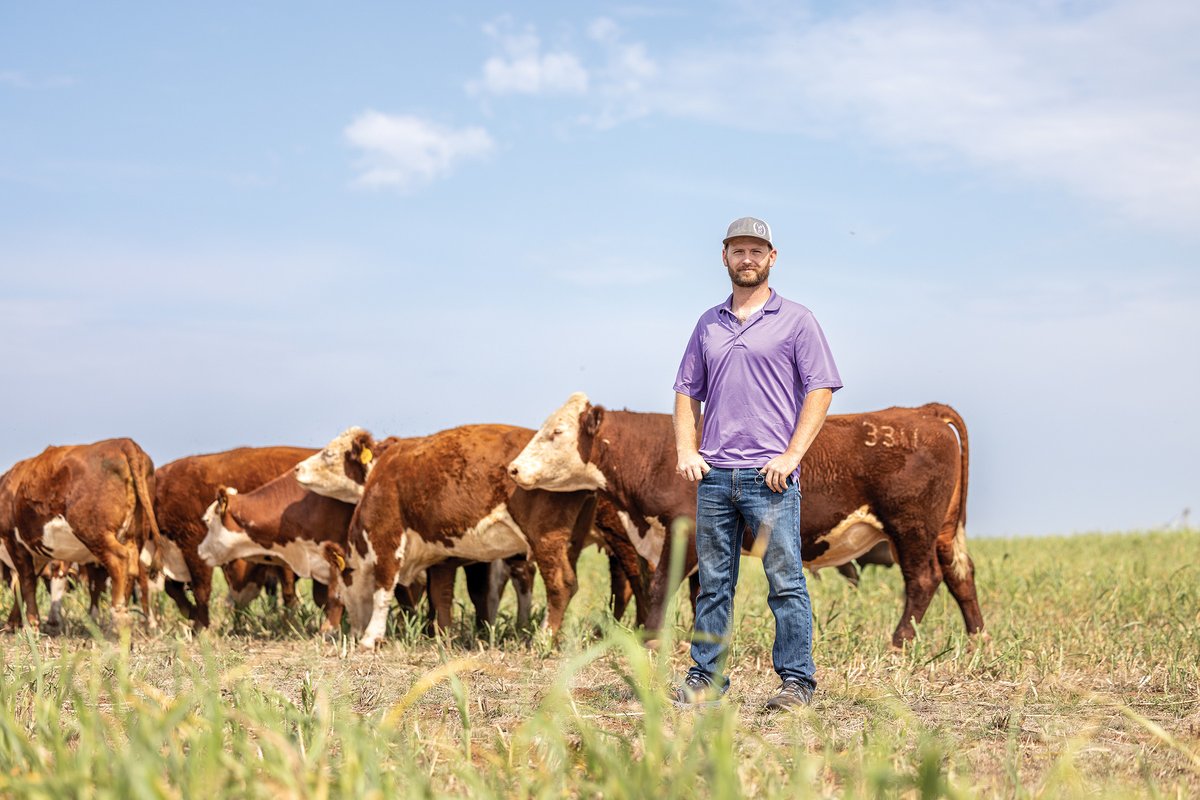
The rich scent of turned earth, the hum of machinery, the quiet pride in a harvest—these are the timeless rhythms of a legacy farm. Yet, for these multi-generational agricultural enterprises to thrive, they must embrace a new, equally vital rhythm: Adapting & Innovating: Evolution of a Legacy Farm. It's not just about staying relevant; it’s about strategically evolving while honoring the deep roots that define them. This journey isn't a betrayal of tradition, but its most profound expression, ensuring the land, the family, and the community prosper for generations to come.
At a Glance: Your Farm's Blueprint for the Future
- Why Legacy Farms Matter: They are living archives of agricultural knowledge, economic anchors, and cultural touchstones.
- Key Challenges: Navigating complex succession, securing financing, integrating technology, and balancing tradition with innovation.
- Tech for Tomorrow: Precision agriculture (drones, smart sensors), automated data collection, and advanced water management boost efficiency and sustainability.
- Beyond the Crop: Diversifying income through agritourism, value-added products, and direct sales builds financial resilience.
- Soil is Gold: Prioritizing soil health and sustainable practices ensures long-term productivity and environmental stewardship.
- Plan Your Legacy: A robust succession plan is non-negotiable for a smooth intergenerational transfer of ownership and management.
- Community & Learning: Strong local ties and continuous education are vital for support, competitive advantage, and staying ahead.
The Enduring Heartbeat of the Land: Why Legacy Farms Are Irreplaceable
A multi-generational farm isn't merely a business; it's a living narrative, a testament to resilience passed down through at least three generations. These operations embody a unique blend of heritage and profound responsibility, serving as vital cornerstones for rural economies and landscapes. They are the guardians of specific agricultural knowledge, fostering local prosperity, preserving biodiversity, and modeling sustainable practices long before the term became a buzzword.
At their core, legacy farms stand on a few fundamental pillars:
- Tradition: This isn't just about doing things the old way; it’s the unbroken chain of agricultural practices, values, and an intimate understanding of the land's nuances, passed down through stories and hands-on teaching. It provides a unique foundation, though it must never become an immovable obstacle to progress.
- Family Heritage: Identity, purpose, and continuity flow from the family's connection to the land. This includes preserving unique farming techniques, an emotional bond that transcends mere ownership, and the steadfast adherence to ethical values shaped by generations.
- Land Stewardship: A sacred commitment to responsible resource management, ensuring the health and productivity of the land for future generations. This encompasses meticulous soil health practices like crop rotation and cover cropping, judicious water conservation through smart irrigation, and biodiversity preservation through natural habitats and targeted pest management.
- Sustainability: Not a trend, but an inherent philosophy. It means efficient resource use, environmental protection, economic stability through diversification, and a constant willingness to adapt to new technologies and renewable energy sources.
- Community Ties: Legacy farms are often the economic and social anchors of their regions. They provide employment, support local businesses, maintain cultural traditions, and actively participate in community life, from donating produce to sponsoring local events.
- Long-Term Vision: Success isn't measured by a single year's profit, but by the enterprise's enduring legacy. This demands robust succession planning, continuous investment in sustainable practices, and an acute awareness of market evolution.
Without these living laboratories of agricultural wisdom and dedicated stewardship, we risk losing not just farms, but an invaluable part of our heritage and the very diversity of our food systems.
Navigating the Shifting Fields: Core Challenges for Multi-Generational Farms
Even with deep roots, legacy farms face formidable headwinds. The romantic image often overshadows the complex realities of keeping such an enterprise viable across generations. Understanding these challenges is the first step toward effective adaptation.
- Succession Planning Complexities: Perhaps the most daunting hurdle, transferring ownership and management from one generation to the next is fraught with emotional, financial, and logistical traps. Disagreements over roles, property division, and valuation can tear families and farms apart. Without a clear, well-communicated plan, the farm's future can become dangerously uncertain.
- Financial Constraints & Capital Investment: Farming is a capital-intensive business. Modernizing equipment, investing in new technologies, or diversifying operations often requires substantial upfront capital. Legacy farms may struggle to access financing, particularly if assets are tied up in complex family arrangements or if profitability has been inconsistent.
- The Technology Chasm: While vital for efficiency, the rapid pace of technological advancement can feel overwhelming. Deciding which technologies to adopt, financing their integration, and training personnel requires foresight and a willingness to step outside comfort zones.
- Balancing Tradition with Innovation: The very strength of legacy—its deep-seated traditions—can become a weakness if it prevents necessary change. Finding the equilibrium between honoring proven methods and embracing modern techniques is a constant dance. How do you respect the "way Grandpa did it" while acknowledging that Grandpa didn't have drones or real-time soil sensors?
- Market Volatility & Climate Change: Legacy farms are inherently exposed to external forces. Fluctuating commodity prices, changing consumer preferences, and increasingly unpredictable weather patterns (droughts, floods, extreme temperatures) demand constant vigilance and adaptive strategies.
These challenges aren't insurmountable, but they demand proactive planning, open communication, and a strategic mindset.
From Plow to Pixels: Embracing Technology Without Losing Your Roots
The evolution of farming has been nothing short of revolutionary. Gone are the days of purely manual labor and educated guesswork. Today's most successful legacy farms are leveraging cutting-edge technology not to replace their wisdom, but to augment it, making their operations more precise, efficient, and sustainable.
- Precision Agriculture: The Era of "Just Enough": Instead of broad-stroke applications, precision agriculture uses data and technology to target interventions.
- Automated Drone Spraying for Pest Control: Forget back-breaking manual inspection and inefficient broadcast spraying. Drones equipped with advanced sensors and precise sprayers can identify problem areas and apply pesticides only where needed. This dramatically reduces chemical use, labor costs, and environmental impact while ensuring even coverage. Imagine a drone autonomously scanning your soybean fields, detecting early signs of aphid infestation in a specific quadrant, and applying a targeted solution—all with minimal human intervention.
- Aerial Mapping for Land Preparation: Preparing land used to involve extensive manual plowing and tilling. Now, services like Aviro Mapping utilize drones and satellite imagery to provide detailed field maps. These maps reveal variations in soil composition, drainage patterns, and nutrient levels, allowing for accurate soil preparation, better planning for crop rotation, and optimized resource management before a single seed is even planted.
- Smart Water Management Systems: Water is perhaps a farmer's most precious resource. Traditional watering methods were often inefficient. Modern systems monitor water quality and levels in real-time, adjusting irrigation schedules and volumes based on actual plant needs and soil moisture readings. This prevents over-watering, conserves water, and improves crop health, leading to better yields. Investing in these smart solutions isn't just about saving money, it's about securing your farm's future in a water-stressed world.
- Data-Driven Decisions with Real-Time Monitoring: The shift from error-prone manual record-keeping to automated data collection is transformative. Systems like Biota continuously gather and analyze data on everything from crop conditions, soil pH, and nutrient levels to microclimates and weather patterns. This stream of real-time intelligence empowers farmers to make quick, informed decisions, proactively address issues, and optimize every aspect of their operation. Want to know precisely when to fertilize a specific plot for maximum uptake? The data will tell you.
Embracing these technologies isn't about abandoning the traditional feel of farming; it’s about making your legacy farm stronger, more competitive, and better equipped to weather the challenges of modern agriculture. It’s about leveraging human ingenuity to amplify the wisdom of generations.
Beyond the Fields: Diversifying for Resilience
Relying on a single crop or market can leave a legacy farm vulnerable to commodity price swings, changing consumer tastes, or unexpected crop failures. Smart legacy farms recognize the power of diversification, transforming their assets and expertise into multiple income streams.
- Agritourism: Open your farm to visitors! This could involve corn mazes, pumpkin patches, pick-your-own fruit experiences, farm stays, educational tours, or even hosting weddings in a rustic barn. Agritourism not only generates direct revenue but also builds goodwill and educates the public about farming.
- Value-Added Products: Instead of selling raw commodities, transform them into higher-value goods. Think jams, jellies, artisanal cheeses, baked goods, sauces, essential oils, or even custom animal feeds. Processing your own products allows you to capture a larger share of the retail price and creates a unique brand identity.
- Direct Marketing & CSAs: Cut out the middleman by selling directly to consumers through farmers' markets, roadside stands, or a Community Supported Agriculture (CSA) program. CSAs provide upfront capital and a guaranteed market, fostering a strong connection between the farm and its consumers.
- Niche Crops or Livestock: Explore high-demand, specialty crops (e.g., organic herbs, heirloom vegetables) or unique livestock breeds that command premium prices and face less competition.
- Renewable Energy Generation: Utilize your land for solar panels or wind turbines, generating electricity that can be sold back to the grid, creating a stable, long-term revenue stream independent of agricultural cycles.
Diversification isn't just about making more money; it’s about creating a robust financial ecosystem that can absorb shocks and ensure the farm's enduring economic viability.
Planting for Tomorrow: The Art of Sustainable Stewardship
The concept of land stewardship is woven into the fabric of legacy farms. It's an unspoken promise to future generations, a commitment to nurture the soil, conserve water, and preserve biodiversity. Modern sustainable practices build upon this inherent ethos, using scientific understanding to enhance traditional wisdom.
- Prioritizing Soil Health: Healthy soil is the bedrock of productive farming.
- Crop Rotation: Shifting crops in a specific sequence helps break pest and disease cycles, improves soil structure, and naturally replenishes nutrients.
- Cover Cropping: Planting non-cash crops (like clover or rye) during off-seasons protects the soil from erosion, suppresses weeds, and adds organic matter when tilled back in.
- Reduced or No-Tillage: Minimizing disturbance to the soil preserves its structure, prevents erosion, and fosters a thriving microbial ecosystem beneath the surface. These practices are crucial for maintaining long-term productivity and significantly reduce the environmental impact of farming.
- Water Conservation: Every drop counts.
- Drip Irrigation: Delivers water directly to the plant roots, minimizing evaporation and runoff compared to traditional sprinklers.
- Soil Moisture Sensors: Provide real-time data to inform precise irrigation schedules, ensuring plants get exactly what they need, when they need it.
- Rainwater Harvesting: Collecting and storing rainwater for irrigation reduces reliance on groundwater or municipal sources.
- Biodiversity Preservation: A healthy farm ecosystem is diverse.
- Wildlife Habitats: Designating areas for native vegetation, hedgerows, and buffer strips provides shelter and food for beneficial insects, birds, and other wildlife.
- Avoiding Broad-Spectrum Pesticides: Opting for targeted or organic pest control methods protects non-target species and pollinators.
- Integrated Pest Management (IPM): A holistic approach that combines biological, cultural, physical, and chemical tools to manage pests with the least possible harm to the environment. This means monitoring pests, using resistant varieties, and encouraging natural predators before resorting to chemicals.
By consciously adopting and refining these sustainable practices, legacy farms not only secure their own future but also contribute significantly to the health of the planet.
The Hand-Off: Mastering Succession Planning
The question isn't if succession will happen, but how. For multi-generational farms, a comprehensive succession plan is arguably the most critical element for longevity. It's about more than just wills and trusts; it's about a thoughtful, transparent transfer of knowledge, power, and assets.
- Start Early, Communicate Openly: Begin the conversation long before retirement is imminent. Involve all relevant family members, not just those directly involved in farming. Be explicit about expectations, desires, and concerns. This transparency helps prevent future conflicts.
- Define Roles and Responsibilities: Clearly outline who will take over management, what their responsibilities will be, and how decision-making authority will transition. Will there be a single successor or a management team?
- Address Financial Considerations: How will assets be valued and transferred? Will non-farming heirs be compensated fairly without jeopardizing the farm's financial viability? Explore options like buy-sell agreements, gifting, or installment sales. Seek expert advice from financial planners and agricultural lawyers.
- Mentorship and Training: The outgoing generation should actively mentor and train the incoming one, transferring not just tasks, but the accumulated wisdom, relationships, and nuanced understanding of the land and market. This might involve formal training programs or simply working side-by-side for a defined period.
- Develop a Contingency Plan: What if the chosen successor changes their mind, or an unforeseen event occurs? Having backup plans for various scenarios is crucial.
- Seek Professional Guidance: Agricultural consultants, attorneys specializing in estate planning, and financial advisors are invaluable resources. They can help navigate complex legal and tax implications, mediate family discussions, and ensure the plan is robust and legally sound.
A well-executed succession plan ensures a smooth intergenerational transition, preserves family harmony, and secures the operational continuity of the farm, reinforcing its long-term vision.
The Business of Farming: Financial Acumen and Community Strength
Even with the deepest family heritage, a farm is still a business that demands shrewd management and strong relationships.
- Maintain Detailed Financial Records: "You can't manage what you don't measure." Accurate, up-to-date financial records are non-negotiable. They provide clarity on profitability, identify areas for cost reduction, justify loan applications, and are essential for risk management and tax planning. Tracking every input, output, and sale allows for informed decisions, moving beyond intuition to data-backed strategy.
- Cultivate Strong Relationships with the Community: Legacy farms don't operate in a vacuum. Building positive relationships with neighbors, local businesses (suppliers, mechanics, markets), and community organizations fosters support and goodwill. This might involve participating in local events, offering educational opportunities, or simply being a good neighbor. These ties can prove invaluable during tough times, offering social capital and practical assistance. Engaging with the community is not just good PR; it’s a strategic investment in the farm’s long-term social license to operate.
Never Stop Growing: Lifelong Learning for Farmers
The world of agriculture is constantly evolving. What worked last year might be obsolete next year. To maintain a competitive edge and ensure innovation, continuous education and training are essential.
- Stay Informed on Agricultural Practices: Attend workshops, seminars, and field days organized by universities, extension offices, and industry associations. Learn about the latest in soil science, crop genetics, pest management, and livestock health.
- Monitor Market Trends: Understand consumer demands, commodity forecasts, and emerging market opportunities. This informs planting decisions, diversification strategies, and pricing.
- Hone Business Management Skills: Farming requires more than just growing things; it demands sharp business acumen. Take courses on financial management, marketing, human resources, and legal compliance. Many universities offer specialized programs for farm business management.
- Networking: Connect with other farmers, share experiences, and learn from their successes and failures. Farmer cooperatives and peer groups can be invaluable sources of practical knowledge and support.
Investing in human capital—the knowledge and skills of the farming family and team—is as important as investing in new equipment. It ensures adaptability and empowers informed innovation.
Balancing Act: Honoring Heritage While Forging the Future
The inherent tension between upholding generations of tradition and embracing disruptive innovation is perhaps the defining challenge for a legacy farm. The key lies not in choosing one over the other, but in finding a dynamic balance.
Think of it as a tree: its roots run deep, anchoring it to the earth and providing nourishment, representing tradition and heritage. But its branches reach skyward, adapting to sunlight and wind, representing innovation and growth. The tree cannot thrive without both.
- Identify Core Values, Not Just Core Practices: What truly defines your farm? Is it the specific type of plow used, or the underlying value of caring for the soil? Is it a particular variety of seed, or the commitment to producing high-quality food? By focusing on core values, you can explore new methods that achieve the same underlying purpose more effectively.
- Pilot Programs, Not Wholesale Overhauls: Don't feel pressured to convert your entire operation to a new technology overnight. Experiment with new practices on a small scale, gather data, assess their effectiveness, and then decide on broader implementation. This minimizes risk and allows for gradual adoption.
- Celebrate Both: Publicly acknowledge and celebrate both your farm's deep heritage (e.g., family stories, historical photos, traditional methods that still work) and your commitment to innovation (e.g., new tech, sustainable practices, diversification efforts). This narrative helps bridge the perceived gap between old and new for both family and community.
- Foster a Culture of Learning: Encourage all generations to share knowledge—the elder generation sharing their intimate knowledge of the land, the younger generation sharing insights into new technologies and market trends. Create a space where curiosity is valued and mistakes are seen as learning opportunities.
The legacy farm that successfully navigates this balance doesn't just survive; it flourishes, becoming a beacon of what's possible when wisdom meets vision.
Your Farm's Next Chapter: Steps to Begin Your Evolution
The journey of adapting and innovating a legacy farm is continuous, not a one-time project. It's an ongoing commitment to improvement, guided by a respect for the past and a clear vision for the future. To start charting your farm's next chapter, consider these actionable steps:
- Conduct a "Legacy Audit": Gather your family and key team members. What are your farm's greatest strengths (traditional knowledge, community ties, specific land characteristics)? What are its most pressing weaknesses (outdated equipment, succession gaps, financial vulnerabilities)? What opportunities exist (new technologies, emerging markets, underutilized assets)? What threats loom (climate change, market shifts, competition)?
- Define Your Vision: Beyond "keeping the farm going," what does success look like for the next 10, 20, even 50 years? How will the farm embody its core pillars while embracing new frontiers? Where do you want to be in the marketplace?
- Prioritize Key Areas for Innovation: Based on your audit and vision, identify 1-3 critical areas for immediate focus. Is it implementing smart irrigation? Developing a succession plan? Exploring agritourism? Don't try to do everything at once.
- Seek External Expertise: Don't go it alone. Consult with agricultural extension services, university researchers, financial advisors, legal counsel, and farm consultants. Their unbiased perspectives and specialized knowledge can provide invaluable guidance. Remember, you don't have to be the expert in everything; you just need to know how to find the right experts.
- Build a Financial Roadmap: Determine the financial resources needed for your innovation and adaptation strategies. Explore grants, low-interest loans, and investment opportunities specifically for sustainable agriculture or rural development.
- Start Small, Learn, and Scale: Pick one pilot project. Implement it, measure its success (or learn from its challenges), and then decide whether to expand. This iterative approach minimizes risk and builds confidence.
- Embrace Continuous Learning: Make education and skill development an ongoing priority for everyone involved in the farm. The landscape of agriculture will continue to change, and your capacity to learn and adapt will be your greatest asset.
Ultimately, the evolution of a legacy farm is a story of enduring purpose, woven through generations. It’s about honoring the ground beneath your feet while reaching for the horizon. It's about preserving the profound legacy of family and land, not by rigid adherence, but by the courageous, intelligent act of continuous adaptation and innovation. This is the true success story of a farm built to last, forever entwined with our 7th generation farm story and countless others.